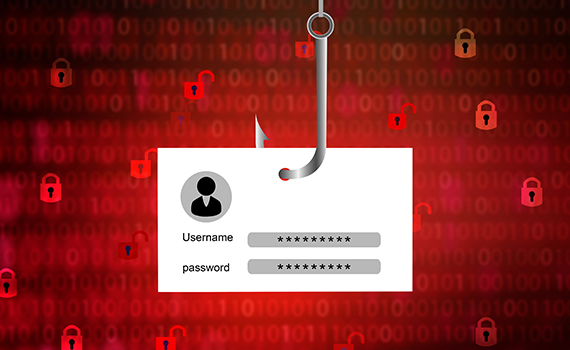
Over the past year, cybersecurity experts have reported a notable shift in the types of attacks targeting dealerships — but there’s one standout threat that every dealer needs to know about. Sean Patronis, chief information security officer at Proton,
recently sat down with AutoSuccess to stress the danger of this threat: identity-based attacks. This type of attack isn’t necessarily new, but it has become a primary infiltration method for the bad guys.
Let’s dive into the most important highlights from Patronis’s conversation with AutoSuccess.
Why are cybercriminals targeting identities?
Historically, many cybersecurity threats focused on malware and malicious files. The good news is, endpoint detection and response (EDR) has been widely adopted, and that type of tool is incredibly successful at identifying those traditional threats. The bad news is, because EDR is increasingly effective, attackers have adapted.
Rather than installing malware directly, the bad guys are now targeting employee credentials and authenticated sessions. By stealing legitimate login information, attackers can access dealership systems by posing as authorized users. Patronis summarized this shift concretely: “Identity has become the front door.”
Employees increasingly rely on identities to access a range of systems, which has led to more opportunities for cybercriminals to exploit compromised accounts. Also, with the exponential growth of AI, the latest technology is accelerating the process. The bad guys can use AI to identify potential vulnerabilities, create convincing phishing messages, and develop more personalized attacks at scale. This inevitably makes attackers better at posing as legitimate users and harder to detect.
A common example of an identity-based attack is via multi-factor authentication. Cybercriminals will create fraudulent login pages that resemble legitimate websites and direct employees to them through convincing phishing emails. When an employee enters their credentials — username, password, and MFA code — the attacker captures them and uses them to access the real account. Now, the cybercriminal can move through systems using the employee’s permissions and find sensitive data to ransom.
Why are dealerships vulnerable to identity-based attacks?
Dealerships are notably vulnerable to identity-based attacks — but not usually because they lack cyber tools. Lack of visibility and limited expertise are the two main culprits for this particular problem.
Dealership IT teams often manage complex environments with limited staff and resources. This can make it difficult to monitor employee identities, review access permissions, and identify suspicious activity. Patronis put it plainly: “Attackers are going to exploit that visibility gap.”
Without
24/7 expert cybersecurity monitoring, cybercriminals are more likely to compromise employees’ accounts and access sensitive data. Not to mention, this type of attack typically goes undetected for longer because it appears legitimate.
This is why dealerships need to look beyond security devices and networks: Closing visibility gaps is just as important.
How can dealerships protect employee identities?
According to Patronis, dealerships can take several steps to strengthen their defenses:
-
Adopt phishing-resistant MFA: Move beyond one-time passwords delivered through email and implement authentication methods designed to prevent credential theft.
-
Eliminate legacy authentication: Disable outdated authentication protocols that can let attackers bypass security controls.
-
Monitor user behavior: Implement security measures to flag unusual login activity, suspicious sessions, and unexpected access to sensitive information.
-
Review employee permissions: Ensure employees have access only to the systems and information necessary for their roles.
-
Strengthen employee awareness: Educate employees about phishing, fake login pages, and suspicious verification prompts.
As cybercriminals move away from traditional malware and toward identity-based attacks, dealerships need to adapt their security strategies accordingly. These measures can help dealerships reduce the risk of compromised accounts and spot suspicious activity before it becomes a larger incident.